

What Different Policy Types Mean and How to Choose the Right Protection
Understanding coverage options in auto insurance agency services starts with knowing that each type of coverage protects you in a different way. Some pay for damage you cause. Others pay for damage to your own car. The right mix depends on your car, your budget, and how much risk you want to take. When you break each option down, it becomes much easier to choose a policy that fits your life.

What You Need Before Choosing Coverage
Before you compare auto insurance plans, gather a few basic details. This helps you avoid guessing and buying the wrong protection.
- Your vehicle’s year, make, and model
- How often you drive and your daily commute distance
- If your vehicle is financed or paid off
- Your household drivers and their records
- Your monthly budget for insurance
If you are working with an insurance agency, they will ask for this same information. Having it ready saves time and helps you get accurate quotes.
Main Types of Coverage Explained Step by Step
Auto insurance policies are made up of several parts. Each one covers a different risk. Here is a simple breakdown.
- Liability coverage: Pays for injuries or property damage you cause to others in an accident. This is required in most states.
- Collision coverage: Pays to repair or replace your car after an accident, no matter who is at fault.
- Comprehensive coverage: Pays for damage from things like theft, hail, fire, or falling objects.
- Uninsured or underinsured motorist coverage: Helps if the other driver does not have enough insurance.
- Medical payments or personal injury protection: Helps pay medical bills after a crash.
For example, if you hit another car, liability helps pay for their repairs. If your own car is damaged in that crash, collision helps cover your repairs. If a tree branch falls on your parked car, comprehensive coverage would step in.
Common Mistakes to Avoid
Many drivers choose the lowest price without looking at the details. That can lead to problems later.
- Choosing state minimum liability limits that may not fully protect your savings
- Skipping collision coverage on a newer vehicle
- Forgetting to add uninsured motorist coverage
- Setting a deductible that is too high to afford after an accident
Another mistake is not reviewing your policy each year. Life changes fast. You might move, add a driver, or pay off your vehicle. Each change can affect your auto insurance needs.
How to Match Coverage to Your Situation
The best policy depends on your risk level and financial comfort.
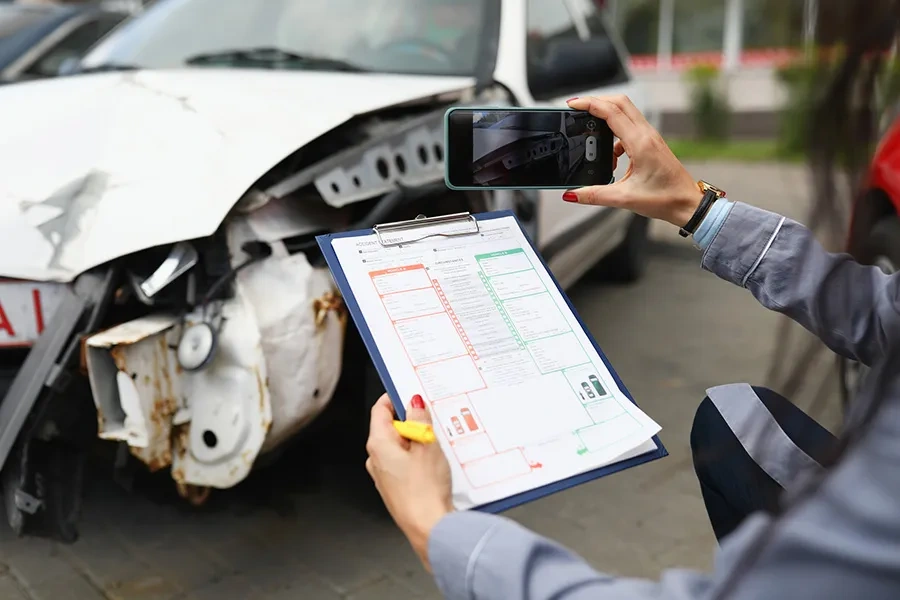
If you drive an older car that is paid off, you may choose liability only. If the car has low value, paying for collision might not make sense. On the other hand, if you have a newer SUV with a loan, full coverage that includes collision and comprehensive is often a smart move.
Families with teen drivers may want higher liability limits. Drivers who park outside in storm-prone areas benefit from comprehensive protection. An experienced insurance agency can explain these options in plain language so you can decide with confidence.
When to Speak With a Professional
Online quotes are quick, but they do not always show the full picture. If you are unsure about limits, deductibles, or optional add-ons, speaking with a licensed agent can help. They can explain how a claim would be handled in real life and point out gaps you may not see on your own.
A professional can also review bundles, such as combining home and auto insurance, which may lower your overall premium. Having someone walk you through real examples makes the decision clearer and less stressful.
Get Guidance Tailored to Your Needs
If you live in Columbia, MD, having the right policy matters for daily driving, commuting, and local weather risks. At BIMZ Insurance Agency, we help drivers review their options and build coverage that fits their goals without paying for extras they do not need. Call us at (240) 359-0719 to speak with our team about your auto insurance questions and let us help you choose protection that makes sense for your situation.